


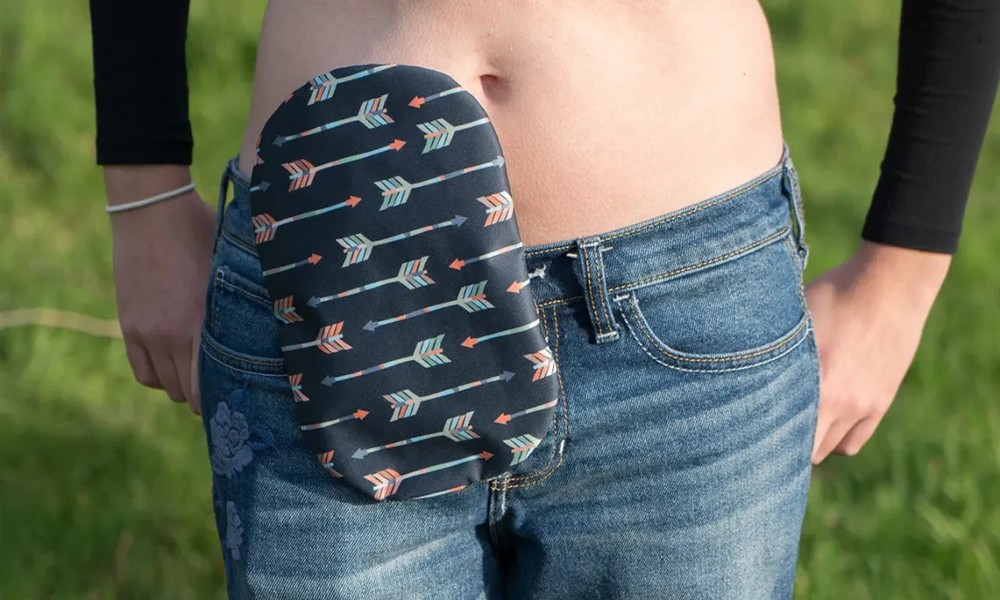
Most people find out about stomas from a surgeon, in a clinical setting, surrounded by paperwork they can barely take in, then they go home and try to figure out the rest largely on their own. It’s one of those areas of healthcare where the medical side gets covered thoroughly enough, but the practical, everyday reality of actually living with a stoma takes a lot longer to piece together.
Around 200,000 people in the UK are currently living with a stoma, whether that’s a colostomy, ileostomy, or urostomy. Some are permanent, some temporary. The reasons people end up with one vary enormously, from bowel cancer and Crohn’s disease to bladder conditions and birth defects. What they tend to have in common is that adjustment period where you’re working out a completely new set of routines, often with very little guidance on the small stuff.
The Practical Side Takes Time to Figure Out
There’s a lot of trial and error involved, particularly in the early weeks. Skin care around the stoma site is important, but it’s something a lot of people underestimate at first. The adhesive on pouching systems sits directly on skin for extended periods, and if it’s not fitting well or the skin underneath isn’t being looked after, you can end up with soreness and leaks. Stoma nurses are great for this, so it’s worth getting back in touch if you haven’t been seeing yours regularly.
Getting the right pouching system for your stoma type and body shape makes an enormous difference to confidence and comfort. One-piece systems work well for some people, but others find two-piece systems easier to manage, particularly if they need to empty frequently. There’s no universal answer, which is partly why finding a supplier or manufacturer who actually knows their products properly matters.
Companies like Salts Healthcare have been making stoma products for decades, and there’s a noticeable difference between suppliers who genuinely specialise in this area versus those treating it as just another product category. The design of a flange, the flexibility of the adhesive, the positioning of a filter, these things affect real daily life in ways that only make sense once you’re actually living with a stoma.
What People Wish They’d Known Earlier
One thing that comes up repeatedly in stoma communities is diet and output. There’s a tendency in early post-surgery guidance to stick to very safe, bland recommendations. This is sensible at first, but people often stay stuck in that phase longer than necessary because nobody explicitly tells them it’s okay to start experimenting again. Reintroducing foods gradually, noting what affects output consistency, working out what your own body responds to, is a process that takes months, not weeks.
Clothing is another thing that catches people off guard. Most people find workarounds that work well for them, whether that’s high-waisted underwear, pouch wraps, or just accepting that certain waistbands are no longer for them. It’s a smaller adjustment than it seems in the beginning, though it’s fair to say the first time you get dressed for a night out post-surgery and feel genuinely comfortable, is a moment a lot of people remember.
Swimming, exercise, travel, and intimacy, all come with questions that feel enormous and then tend to settle down into manageable routines. Waterproof covers exist for swimming. Longer pouches or larger-capacity bags work well for travel days. Most airlines and venues are obliged to accommodate reasonable requests for extra time or private facilities, though actually asking for that still feels uncomfortable for many people.
Getting the Right Support Makes the Difference
The NHS stoma care service is genuinely good, but it’s stretched, and appointments don’t always happen as often as they should. The gap gets filled in various ways, through online communities, specialist suppliers, charity helplines, and people sharing their own experiences. Organisations like the Ileostomy and Internal Pouch Association and Colostomy UK both offer real peer support rather than just general information, and that human element counts for a lot.
Prescription ordering for stoma supplies has got easier in recent years, with home delivery services now fairly standard. If you’ve been using the same products for years without reassessment, it might be worth a conversation with your stoma nurse about whether newer options suit you better. Products and materials have changed, so what worked five years ago might not necessarily be the best available now.
It’s a significant life adjustment. But for the vast majority of people, it becomes manageable, and for many, it’s what allowed them to get their health and their life back in the first place.
