


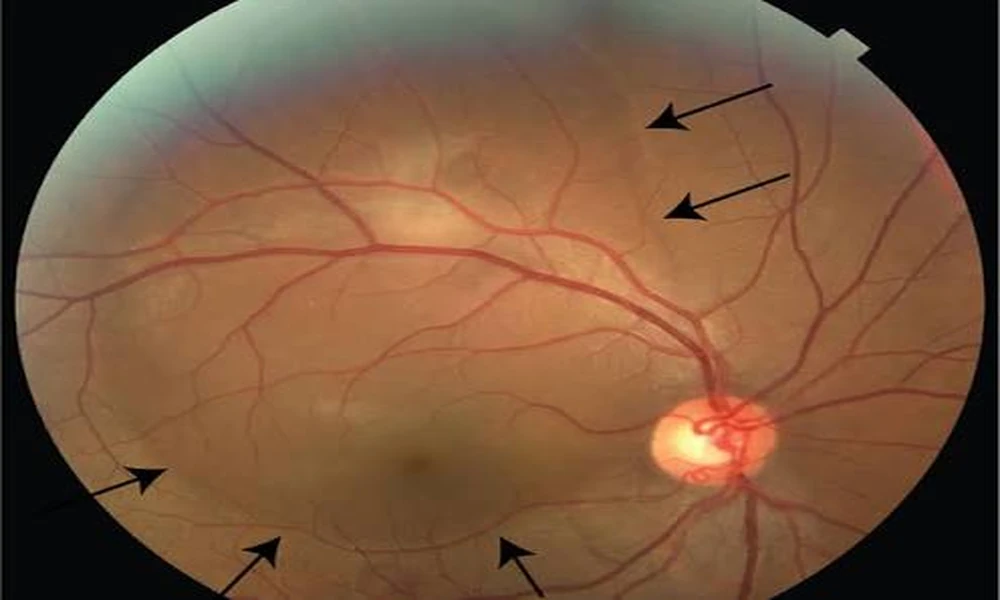
Central serous chorioretinopathy (CSCR) is an eye condition in which fluid collects beneath the retina, affecting the macula responsible for detailed central vision. People may notice blurred or distorted vision, faded colours, or objects appearing smaller. Many acute cases improve within a few months, but recovery differs from person to person.
Understanding the factors that may influence recovery can help patients make informed decisions and follow their ophthalmologist’s recommendations. The appropriate treatment for central serous chorioretinopathy depends on the duration and severity of the condition, as well as the findings on retinal scans.
1. Whether the Condition Is Acute or Chronic
Acute CSCR often resolves without active treatment as the fluid beneath the retina gradually disappears. In many cases, vision improves over several weeks to a few months. By contrast, chronic CSCR involves fluid that persists for longer, sometimes alongside changes to the retinal pigment epithelium (RPE), a layer that supports retinal function.
Persistent disease may require closer monitoring or intervention. The longer the retina remains separated from its supporting layers, the greater the risk of lasting changes that can affect vision. In such cases, CSCR treatment options may be considered based on the patient’s condition.
2. How Long Fluid Remains Beneath the Retina
The amount of time subretinal fluid remains is an important consideration. When fluid clears quickly, the retinal layers may recover with fewer lasting effects. Prolonged fluid accumulation can disrupt the photoreceptor cells involved in detecting light and fine detail.
Ongoing fluid does not automatically mean that permanent damage will occur. However, it makes follow-up important. Optical coherence tomography (OCT) allows the ophthalmologist to monitor fluid levels and assess changes in retinal structure over time.
3. The Extent of Retinal Changes at Diagnosis
A patient’s retinal condition when CSCR is first detected can influence their visual outcome. If the retinal structure is preserved, vision may return close to its previous level once the fluid resolves.
More extensive changes, such as RPE damage, photoreceptor disruption or retinal pigment epithelial detachment, may make complete visual recovery less likely. An eye examination and imaging tests help the specialist assess these findings and explain what they may mean for an individual’s prognosis.
4. Previous Episodes and Recurrence
CSCR can return after an earlier episode has been resolved. Repeated episodes may expose the retina to further periods of fluid accumulation and increase the likelihood of cumulative retinal changes.
Patients who have experienced recurrence may therefore need ongoing monitoring, even when their vision seems to have improved. Sharing details of previous episodes and changes in symptoms helps the ophthalmologist decide whether observation remains appropriate or whether central serous chorioretinopathy treatment should be considered.
5. Corticosteroid Use
Corticosteroids are an established risk factor for CSCR. They may be prescribed as tablets, injections, inhalers, nasal sprays, eye drops or skin creams. In some people, exposure to these medicines can contribute to the development, persistence or recurrence of the condition.
Patients should tell their eye specialist about all medicines they use, including non-prescription products. Do not stop prescribed steroids suddenly or change the dose independently. The prescribing doctor can assess whether a safer alternative or adjustment is possible.
6. Stress, Sleep and Other Health Factors
Psychological stress has been associated with CSCR, while obstructive sleep apnoea and high blood pressure have also been reported as associated factors. These relationships do not mean that stress or a particular lifestyle habit is necessarily the cause of an individual’s condition.
Maintaining regular sleep, addressing diagnosed sleep disorders and managing health are sensible steps to discuss with a healthcare professional. Stress-management approaches may support overall wellbeing, although they should not be viewed as a proven cure or substitute for eye care.
7. Monitoring and the Timing of Treatment
Regular follow-up helps determine whether the fluid is resolving and whether vision is improving. The ophthalmologist may recommend observation for a first episode because many acute cases settle naturally. If fluid persists, the condition recurs or retinal changes become concerning, central serous chorioretinopathy treatment may be appropriate.
Options can include photodynamic therapy or selected laser procedures, depending on the location of leakage and the pattern of disease. The best central serous chorioretinopathy treatment is individualised; not every patient needs an immediate procedure. OCT and other imaging findings help guide these decisions.
Supporting Recovery Through Appropriate Eye Care
Recovery from CSCR depends on several factors, including how long fluid remains beneath the retina, the extent of retinal changes, previous episodes and relevant medication or health factors. Although many people with an acute episode regain good vision, some may experience persistent distortion or recurrence.
Attend recommended appointments, report any worsening or sudden changes in vision promptly, and discuss medication concerns with the relevant doctors. With careful monitoring and an appropriate central serous chorioretinopathy treatment plan, patients and their ophthalmologists can make informed decisions to support the best possible visual outcome.
