



For many people, seasonal allergies are more than just an inconvenience. Environmental triggers like pollen, dust, and pet dander can affect not only breathing but also hearing health. By combining allergy management with professional audiology services, patients can protect their ears, improve hearing outcomes, and live more comfortably. Taking proactive steps toward both allergy relief and hearing care ensures that small issues don’t develop into long-term challenges.
Understanding the Link Between Allergies and Hearing Health
Allergic reactions often lead to inflammation in the ear, nose, and throat. This swelling can block the Eustachian tube, causing discomfort, fluid buildup, and even temporary hearing loss. For children, these blockages may appear as recurring ear infections, while adults may notice muffled sounds or difficulty maintaining balance. In both cases, the underlying culprit is often unmanaged environmental allergies.
When left untreated, repeated inflammation can contribute to long-term damage in the middle ear or worsen pre-existing hearing conditions. This highlights why allergy management and audiology services must often go hand in hand.
Common Environmental Triggers to Watch For
Environmental triggers vary by region, season, and lifestyle, but a few are especially common:
- Pollen: Levels peak during spring and fall, often leading to clogged ears and sinus congestion.
- Dust mites: Microscopic organisms found in bedding, carpets, and upholstered furniture.
- Pet dander: Even hypoallergenic pets shed small proteins that may inflame nasal passages and ears.
- Mold spores: Thrive in damp, humid environments and can irritate the respiratory system and middle ear.
- Smoke and pollutants: Airborne irritants, including cigarette smoke and urban pollution, can aggravate allergy symptoms.
Awareness of these triggers allows individuals to take targeted steps, such as monitoring pollen counts, using protective masks outdoors, or improving indoor air quality with filtration systems.
How Audiology and Allergy Care Work Together
Allergists focus on reducing exposure and treating immune responses, while audiologists concentrate on diagnosing and managing hearing issues. When these two areas of care overlap, patients benefit from a holistic plan that addresses both root causes and symptoms.
For example, an allergist may recommend immunotherapy or antihistamines to reduce overall inflammation. Meanwhile, an audiologist can track hearing levels over time, ensuring that any fluctuations caused by seasonal changes are documented and managed appropriately. Together, this integrated approach provides long-term relief and preserves hearing health.
The Role of Professional Hearing Tests
Routine hearing tests are essential for anyone experiencing allergy-related ear problems. Even mild inflammation can distort sound transmission, making it difficult to follow conversations or hear high-pitched tones.
At audiology clinics such as Apex Audiology, patients receive detailed hearing evaluations that go beyond a simple pass/fail result. These assessments help determine whether hearing changes are temporary, allergy-induced shifts, or part of a progressive condition requiring further treatment. Early detection is key, and regular hearing tests give patients peace of mind that their hearing health is being closely monitored.
Age Groups Most Affected by Allergy-Related Hearing Issues
- Children: Young children are particularly vulnerable because their Eustachian tubes are narrower and more easily blocked. Recurring ear infections may not only affect hearing but also impact speech development and classroom performance. Parents should be proactive about both allergy management and hearing checkups.
- Adults: For working-age adults, untreated allergies can lead to productivity challenges. Difficulty hearing during meetings or conversations can create stress and reduce confidence. Addressing symptoms early prevents these interruptions from affecting career and personal life.
- Seniors: Older adults often already face some degree of hearing loss. When allergies worsen inflammation, the combination can significantly reduce the quality of life. Proactive care helps seniors maintain independence and social engagement.
Recognizing how age influences both allergy and hearing health ensures patients receive care that fits their specific stage of life.
Advanced Treatment Options for Patients
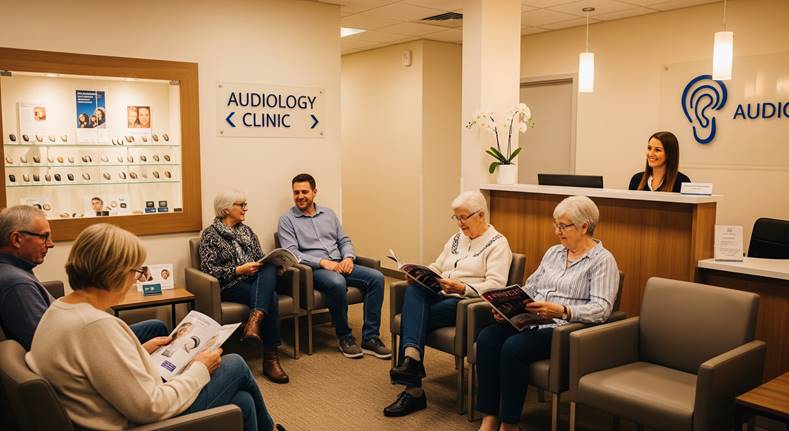
Modern audiology clinics offer a wide range of solutions beyond hearing aids. For patients struggling with allergy-related ear issues, some options may include:
- Diagnostic assessments: Identifying how fluid buildup or inflammation impacts sound clarity.
- Custom hearing protection: Designed for individuals sensitive to environmental noises.
- Educational counseling: Teaching patients how to minimize triggers and protect their ears.
- Technology integration: Bluetooth-enabled devices and apps that help track hearing performance over time.
At Advanced Audiology Care, treatment plans are customized for each patient, blending technology with lifestyle adjustments to create long-term solutions.
Managing Allergies to Protect Your Hearing
While professional care is essential, patients can also make meaningful changes at home:
- Keep windows closed during high pollen days and rely on filtered air conditioning.
- Invest in air purifiers and dehumidifiers to reduce dust, mold, and allergens.
- Wash bedding weekly in hot water to kill dust mites.
- Vacuum and dust regularly, especially in high-traffic areas.
- Bathe pets weekly and keep them out of bedrooms if allergies are severe.
- Stay hydrated, as water helps thin mucus and keeps ear passages clearer.
- Consider using over-the-counter saline sprays to keep nasal passages open.
These everyday strategies, combined with professional guidance, create a strong defense against allergy-related hearing issues.
Why Professional Audiology Support Matters
It can be tempting to dismiss allergy-related ear problems as temporary, but untreated inflammation may lead to chronic ear infections, scarring of the eardrum, or long-term hearing loss. That’s why professional support is critical.
Clinics like West Hills Allergy & Asthma Associates stress that waiting too long to address recurring allergy symptoms can make treatment more complex. By seeking help early, patients can reduce their risks, avoid unnecessary discomfort, and protect one of their most vital senses — hearing.
Emerging Research and Technology in Audiology and Allergy Care
Recent advances in medical research are creating new opportunities for patients. For example, digital otoscopes now allow audiologists to share high-definition images of the ear canal with patients, helping them visualize how allergies may be contributing to swelling or fluid buildup.
On the allergy side, developments in targeted immunotherapy offer the potential for longer-lasting relief with fewer side effects. Meanwhile, hearing aids are becoming smarter — many models now adapt automatically to different environments, compensating for temporary fluctuations in hearing caused by allergies.
These innovations highlight the importance of staying informed and working with professionals who are up to date on the latest treatment options.
Taking the Next Step Toward Better Hearing Health
Whether you struggle with seasonal allergies or year-round triggers, pairing audiology with allergy management can significantly improve your quality of life. Regular checkups, personalized recommendations, and proactive environmental strategies help patients maintain clear hearing, even during high-allergy seasons.
The process starts with awareness. By monitoring your symptoms, scheduling regular hearing tests, and making lifestyle adjustments, you can minimize the impact allergies have on your daily activities. With the right combination of medical support and personal responsibility, hearing health can remain strong regardless of the season.
Conclusion
Environmental allergies don’t have to compromise your hearing. By identifying triggers, working with qualified healthcare providers, and incorporating regular audiology checkups into your routine, you can take control of both allergy symptoms and ear health. With the right prevention strategies and professional support, it’s possible to protect your hearing and enjoy greater comfort year-round.
