


Before you decide to Cleanex Forte kaufen or try any cleansing product, it helps to understand how your body actually removes waste and unwanted substances. “Detox” and “cleanse” are among the most popular words in the wellness world, appearing on teas, juices, capsules and programs of every kind. Some of the ideas behind them are rooted in real biology; others are marketing myths. This article separates the facts from the fiction and explains what genuinely supports your body’s natural cleansing systems.
Your Built-In Detox System
The human body has a sophisticated system for processing and eliminating waste. The main organs involved are:
- The liver: transforms many substances, including alcohol, medications and metabolic byproducts, into forms that can be excreted.
- The kidneys: filter the blood and remove waste through urine.
- The digestive tract: eliminates waste through stool and hosts the gut microbiome, which plays many roles in health.
- The lungs: remove carbon dioxide.
- The skin: plays a minor role through sweat.
In healthy people, these organs work continuously. They do not need special products to “switch on.”
Myth 1: Toxins Build Up and Must Be Flushed Out
Many cleanse products claim that toxins accumulate in the body and cause fatigue, weight gain or bloating. However, these products rarely specify which toxins they remove or provide evidence that they remove them. In healthy individuals, the liver and kidneys handle most substances effectively.
That said, certain exposures, such as heavy alcohol use or some environmental pollutants, can strain the body. The best approach is reducing exposure rather than relying on a cleanse afterward.
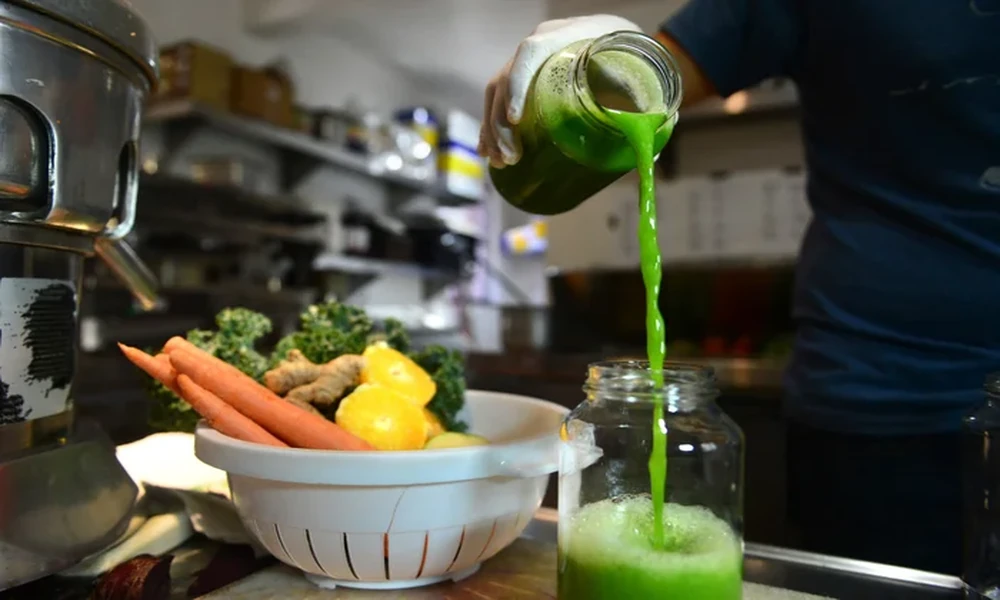
Myth 2: Juice Fasts Reset Your System
Short juice fasts may make people feel lighter, partly due to lower calorie and salt intake and reduced processed food. However, they often lack protein and fiber, can cause blood sugar swings and are not a sustainable way to support health. Any weight lost is often regained quickly.
Myth 3: Sweating Removes Significant Toxins
Sweat is mostly water and salt. While sweating is good for temperature regulation, it is not a major route for removing toxins.
Fact: Your Habits Influence How Well Your Organs Work
While you do not need a magic cleanse, everyday habits strongly affect the organs responsible for detoxification.
Support Your Liver
- Limit alcohol.
- Maintain a healthy weight, as excess fat can accumulate in the liver.
- Eat a diet rich in vegetables, fruits and whole grains.
- Be careful with medications and supplements; follow recommended doses.
Support Your Kidneys
- Drink enough water throughout the day.
- Limit excess salt.
- Manage blood pressure and blood sugar.
- Avoid overusing over-the-counter painkillers.
Support Your Digestive System
- Eat plenty of fiber from vegetables, legumes, fruits and whole grains.
- Include fermented foods such as yogurt or kefir if they agree with you.
- Stay physically active, which supports regular digestion.
- Eat regular meals and chew slowly.
What About Cleansing Supplements?
Many cleansing supplements contain plant extracts, fiber or herbs traditionally associated with digestion. Some ingredients, such as fiber, have well-established benefits for bowel regularity. Others have limited evidence.
When considering such products:
- Read the full ingredient list and dosage information.
- Check for laxative ingredients, which can cause cramping, dehydration or dependence if overused.
- Avoid products that promise dramatic weight loss or cures.
- Speak with a doctor or pharmacist if you take medication, are pregnant or have chronic conditions.
Supplements should complement healthy habits, not replace them.
Signs You Should See a Doctor
Some symptoms that people attribute to “toxins” may signal medical conditions that need attention:
- Persistent fatigue
- Ongoing bloating or abdominal pain
- Changes in bowel habits lasting more than a few weeks
- Unexplained weight loss
- Yellowing of the skin or eyes
- Blood in the stool
Do not try to treat these symptoms with cleanse products. Seek medical advice.
A Practical “Everyday Cleanse”
Instead of an extreme program, consider building these habits:
- Start the day with a glass of water.
- Fill half your plate with vegetables at lunch and dinner.
- Choose whole grains over refined products.
- Reduce ultra-processed foods and sugary drinks.
- Move for at least thirty minutes daily.
- Limit alcohol and avoid smoking.
- Sleep seven to nine hours.
These steps support every organ involved in natural detoxification.
The Role of Sleep and Stress
During sleep, the body performs important repair processes, including in the brain. Chronic stress and lack of sleep can affect digestion, appetite and energy. Prioritizing rest and relaxation is one of the most underrated ways to feel refreshed.
Frequently Asked Questions
Why do I feel better after a cleanse? Many cleanses involve eating fewer processed foods, drinking more water and cutting alcohol. Those changes alone can improve how you feel. The benefit often comes from the habits, not the product.
Are detox teas safe? Some contain laxatives or diuretics. Used frequently, they can cause dehydration, electrolyte imbalances and digestive problems. Read labels carefully.
How long should a cleanse last? There is no scientific consensus on an ideal cleansing period. If you use a product, follow the label and avoid extended use without medical advice.
Can a cleanse help with weight loss? Short-term weight changes are usually water and stool. Lasting weight loss depends on long-term diet and activity.
What is a simple first step? Increase vegetables and water intake for one week while reducing alcohol and ultra-processed foods. Notice how you feel.
Final Thoughts
Your body is equipped with powerful systems to cleanse itself every day. Rather than relying on dramatic detox programs, support your liver, kidneys and digestive system with water, fiber, whole foods, movement, sleep and moderation with alcohol. If you choose a cleansing supplement, read the label carefully, keep expectations realistic and consult a healthcare professional when in doubt. Real “detox” is less about quick fixes and more about everyday habits.
