


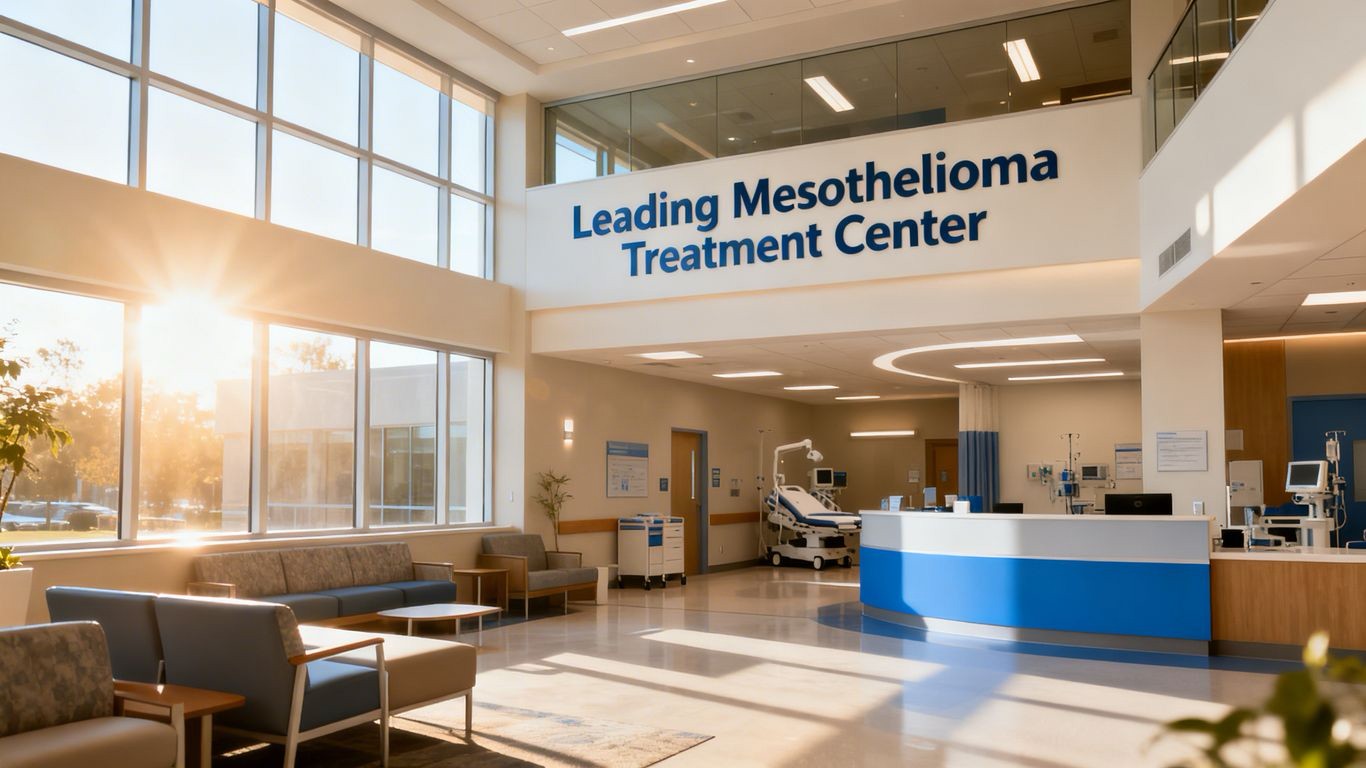
Florida is home to several medical facilities that provide specialized care for individuals diagnosed with mesothelioma. These centers are recognized for their patient-focused approach and their ability to offer advanced treatment options. When facing a mesothelioma diagnosis, selecting the right treatment center is a significant step.
When looking at cancer centers in Florida, consider these points:
- Does the center have recognition from the National Cancer Institute (NCI) for its cancer care and research work?
- Is the facility accredited by the Commission on Cancer (CoC)?
- Are there doctors on staff who concentrate specifically on mesothelioma?
- Do they provide support services, such as pain management or patient navigation?
Leading mesothelioma treatment centers in Florida often use a team approach. This means oncologists, thoracic surgeons, and other medical professionals work together to create a treatment plan tailored to each patient.
Moffitt Cancer Center
Moffitt Cancer Center, located in Tampa, is Florida’s first National Cancer Institute-designated Comprehensive Cancer Center. It is well-regarded for its mesothelioma research and treatment programs. Reports suggest that Moffitt’s mesothelioma survival rates are significantly higher than the national average.
Sylvester Comprehensive Cancer Center
Sylvester Comprehensive Cancer Center in Miami is known nationally for its mesothelioma care. Their team of specialists provides advanced treatments, including surgical procedures and access to clinical trials for new therapies. They are also involved in research that has led to changes in how certain professions are classified regarding cancer risk.
AdventHealth Cancer Institute
AdventHealth Cancer Institute, with locations in Orlando, is another facility providing cancer treatment services. They aim to offer patients access to a range of therapies and supportive care as part of their treatment journey.
Orlando Health Cancer Institute
Orlando Health Cancer Institute, also in Orlando, includes the Rod Taylor Thoracic Care Center. This center focuses on thoracic conditions, which can be relevant for mesothelioma patients. They provide a spectrum of cancer treatments and work to coordinate patient care.
Expert Mesothelioma Doctors in Florida
Finding the right doctor can change everything when facing mesothelioma. In Florida, a handful of specialists spend their careers treating this condition, staying up-to-date with the latest therapies.
Specialists in Pleural Mesothelioma
Pleural mesothelioma, which affects the lining of the lungs, is the most common form diagnosed in Florida. Patients will want to work with doctors who have extensive experience with this disease. A few top points to consider include:
- Many pleural mesothelioma specialists practice at Moffitt Cancer Center in Tampa and Sylvester Comprehensive Cancer Center in Miami.
- These physicians often participate in clinical research, so their patients have access to new therapies before they’re widely available.
- Communication matters—a doctor patient can talk to openly is key.
Some well-known pleural mesothelioma doctors in the state include Dr. Alberto A. Chiappori (medical oncologist) and Dr. Eric Toloza (thoracic surgeon), both based in Tampa.
Specialists in Peritoneal Mesothelioma
Peritoneal mesothelioma is less common and affects the abdominal lining. In Florida, doctors focused on this type usually work at major cancer hospitals, including:
- Sylvester Comprehensive Cancer Center in Miami
- AdventHealth Cancer Institute in Orlando
Common treatments these specialists provide are cytoreductive surgery and heated intraperitoneal chemotherapy (HIPEC). If you or your loved one has peritoneal mesothelioma, HIPEC might be discussed as a frontline treatment.
Thoracic Surgeons and Medical Oncologists
Mesothelioma treatment is rarely handled by just one doctor. In fact, a patient might have a whole team, including:
- Thoracic surgeons who handle operations for pleural mesothelioma
- Medical oncologists who manage chemotherapy, immunotherapy, and target medications
- Radiation oncologists who focus on shrinking tumors and easing symptoms
In Florida, well-known thoracic surgeons include Dr. Farid Gharagozloo (Orlando) and Dr. Lary Robinson (Tampa). Many of these doctors are affiliated with cancer centers recognized nationally for their research and patient care. Working with a doctor who is part of a multidisciplinary team allows for more options and better coordination.
When choosing a mesothelioma specialist in Florida, patients should look for cancer center affiliations, doctor experience with both common and rare forms, and a team approach to care. These subtle details can make the whole experience feel less overwhelming.
Navigating Mesothelioma Care in Florida
Getting treatment for mesothelioma can feel overwhelming, especially with all the details to manage. Florida has several hospitals and cancer centers that work with people facing this diagnosis. Having a plan and understanding what to look for can help anyone make the best decisions for their health.
Key Considerations for Choosing a Specialist
Finding the right doctor or team is often the first big step. Not every cancer center will have professionals who focus on mesothelioma, and the experience of the medical team can impact what treatments are available. Here’s what people might look for:
- Is the center recognized by groups like the National Cancer Institute or accredited by the Commission on Cancer?
- Are there specialists who only treat mesothelioma or other rare cancers?
- Does the center offer support services like nutrition counseling and patient navigation?
- Do they have options for newer treatments or access to clinical trials?
Extra support, such as counseling, transportation, or help with extended stays, can be found at places like the Jupiter Medical Center or Moffitt Cancer Center.
Understanding Multidisciplinary Care Teams
A team-based approach is common at Florida’s top cancer centers. This usually means:
- Having medical oncologists, surgeons, radiation doctors, and nurses meet to review each case together.
- Getting help from specialists in areas like pain, palliative care, nutrition, and counseling.
- Building a treatment plan that balances different therapies—surgery, chemotherapy, and more—for one coordinated approach.
Multidisciplinary care aims to avoid gaps in communication. It allows for the right mix of treatments, which might include experimental options, palliative procedures, and support services. Places like the Sylvester Comprehensive Cancer Center create these teams to give patients personal and coordinated care, so every angle is considered. Extra information about their services can be found through the University of Miami Sylvester Health System.
Accessing Clinical Trials and Research
It’s common for major centers in Florida to run clinical trials for new forms of mesothelioma treatment. These can offer opportunities for:
- Receiving treatments that are not available elsewhere
- Helping doctors learn which therapies work best
- Supporting cancer research for future patients
Eligibility rules for clinical trials can be strict. Talking with a specialist or clinical trials coordinator is key to learning if participation makes sense. Centers like Moffitt have dedicated offices to guide people through the research process, offering the chance to try cutting-edge therapies even when standard treatments aren’t the best fit.
Staying updated on available clinical trials, support services, and team-based care options is a practical way for patients and families to feel more prepared as they move forward with a mesothelioma diagnosis in Florida.
Mesothelioma Treatment Modalities in Florida
When facing mesothelioma, patients in Florida have access to a range of treatment approaches designed to combat the disease. These therapies are often used in combination, depending on the specific type and stage of mesothelioma, as well as the patient’s overall health.
Surgical Interventions
Surgery plays a significant role in mesothelioma treatment for many patients. The goal is typically to remove as much of the cancerous tumor as possible. Procedures like pleurectomy/decortication are common for pleural mesothelioma, aiming to strip away the affected lining of the lung. For peritoneal mesothelioma, cytoreductive surgery, often followed by heated intraperitoneal chemotherapy (HIPEC), is a key treatment. This combined approach seeks to eliminate visible cancer cells and then treat any remaining microscopic disease within the abdominal cavity. The decision for surgery is complex and requires careful evaluation by a specialized team.
Chemotherapy and Immunotherapy
Chemotherapy remains a cornerstone treatment for mesothelioma, often used when surgery isn’t an option or in conjunction with other therapies. Medications like cisplatin and pemetrexed are frequently administered to kill cancer cells throughout the body. Immunotherapy is a newer, promising area. These treatments work by stimulating the patient’s own immune system to recognize and attack cancer cells. While still evolving, immunotherapy is showing positive results for some patients and is increasingly integrated into treatment plans at leading Florida centers. Patients can explore these options at facilities like Moffitt Cancer Center.
Radiation Therapy and Palliative Care
Radiation therapy uses high-energy rays to damage cancer cells and shrink tumors. It can be used after surgery to eliminate any remaining cancer cells or as a primary treatment for patients who are not candidates for surgery. Palliative care is also a vital component of mesothelioma treatment in Florida. This type of care focuses on managing symptoms, reducing pain, and improving the overall quality of life for patients and their families. It’s not just about end-of-life care; palliative teams work alongside oncologists from the start to address side effects and provide emotional support. Many centers, including Mount Sinai Medical Center, integrate these supportive services to ensure a patient’s comfort and well-being throughout their treatment journey.
Research and Innovation in Florida Mesothelioma Care
Florida is a hub for mesothelioma research, with several institutions actively working to improve diagnosis and treatment. These centers are not just treating patients; they are pushing the boundaries of what’s possible in mesothelioma care. The state’s commitment to research means patients often have access to the latest advancements.
National Cancer Institute-Designated Centers
Moffitt Cancer Center in Tampa holds a significant position as Florida’s first National Cancer Institute-designated Comprehensive Cancer Center. This designation highlights its dedication to rigorous research and advanced patient care. Being part of such a center means patients can benefit from a high level of integrated research and clinical practice, often leading to better outcomes.
Ongoing Clinical Research Initiatives
Several Florida institutions are involved in ongoing clinical trials. For example, Moffitt Cancer Center is exploring multimodal therapies, combining surgery with chemotherapy and radiation. The University of Miami Hospital is also participating in studies, looking into how new drugs like Imfinzi might improve survival rates when used with standard chemotherapy. These trials are vital for testing new approaches and finding more effective ways to manage mesothelioma.
Advancements in Diagnostic Techniques
Beyond treatment, research in Florida also focuses on improving how mesothelioma is detected. While specific details on diagnostic technique advancements might be proprietary or in early stages, the general push in cancer research is towards earlier and more accurate detection. This includes refining imaging technologies and molecular profiling of tumors, which can help doctors understand the disease better from the outset. The goal is always to catch the cancer sooner and tailor treatments more precisely.
Recommended Reading
- Mesothelioma Hope
- The Gori Law Firm
- Mesothelioma Guide
- Mesothelioma Help and Support
- Weitz and Luxenberg
- Meirowitz and Wasserberg
- Mesothelioma Hub
- Lanier Law Firm
- Mesothelioma Group
- Mesothelioma Lawyer Center
