


Key Highlights
- Accurate diagnosis of knee pain involves a combination of physical assessments and advanced imaging technologies.
- Non-surgical treatments like hyaluronic acid injections and physiotherapy are often the first line of defence.
- Keyhole surgery offers a minimally invasive way to repair damaged cartilage and ligaments with quicker recovery times.
- Personalised rehabilitation programmes are essential for regaining full strength and preventing future knee injuries.
Introduction
Knee discomfort is a prevalent issue that affects people of all ages, from active athletes to elderly individuals. Because the knee is a complex joint that bears the majority of our body weight, it is particularly susceptible to wear and tear, as well as sudden trauma. If you are struggling with knee pain in Singapore, you may find that everyday activities like walking or climbing stairs become increasingly difficult. Navigating this pain requires more than just temporary relief; it requires a deep understanding of the joint’s internal structures. An orthopaedic specialist in Singapore possesses the training and tools necessary to pinpoint the exact source of your distress. By moving beyond surface-level symptoms, these experts can provide long-lasting solutions that restore your mobility and allow you to enjoy an active lifestyle without constant physical limitations.
Comprehensive Diagnostic Evaluations
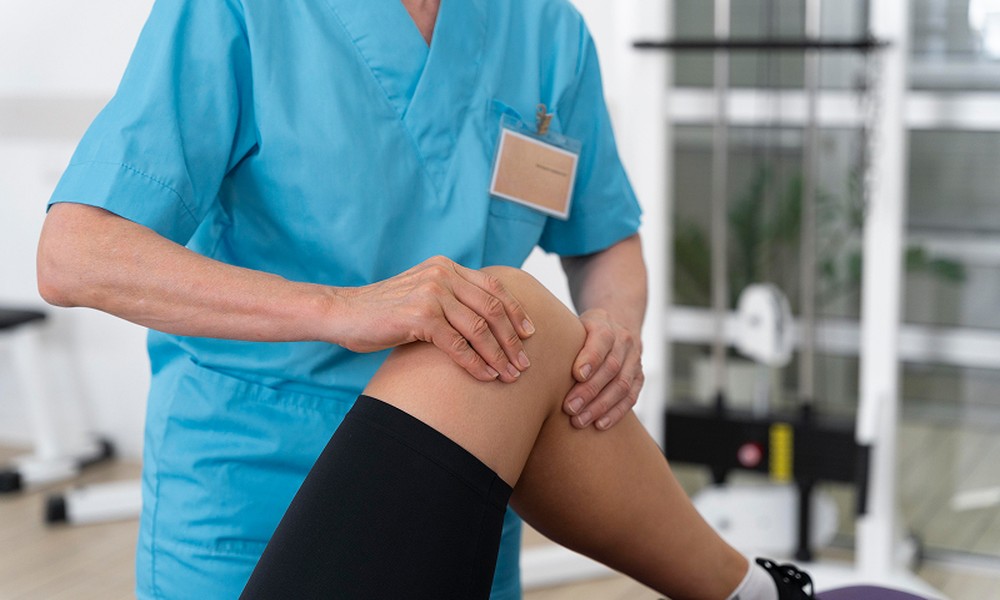
The journey to recovery always begins with an accurate diagnosis. When you consult an orthopaedic specialist in Singapore for knee issues, they perform a meticulous evaluation that goes beyond a simple visual check. They will test the stability of your ligaments, the flexibility of your joint, and the strength of the surrounding muscles. However, because many knee problems occur deep within the joint, imaging is often required. Magnetic Resonance Imaging (MRI) is a vital tool used to visualise soft tissues such as the meniscus and the anterior cruciate ligament. By combining these high-resolution images with your clinical history, the specialist can differentiate between inflammatory conditions (gout) and structural issues (meniscus tear). This precision ensures that the subsequent treatment plan is tailored specifically to your condition.
Minimally Invasive Surgical Interventions
If conservative measures prove insufficient, surgical intervention may be the most viable path to recovery. Modern orthopaedics has evolved significantly, and many procedures are now performed using arthroscopy, also known as keyhole surgery. An orthopaedic specialist in Singapore can use small incisions and a tiny camera to repair torn ligaments or trim damaged cartilage. This technique is remarkably effective for treating conditions like ACL ruptures or meniscus tears that hinder joint movement. The primary benefit of minimally invasive surgery is the reduced trauma to the surrounding tissues, which typically results in less post-operative pain and a faster return to normal function. For patients with advanced joint degradation, partial or total knee replacements remain a highly successful option to permanently eliminate chronic pain and restore limb alignment.
Conservative and Non-Invasive Therapies
Not every knee injury requires a trip to the operating theatre. In many cases, an orthopaedic specialist will recommend conservative treatments to manage knee pain in Singapore effectively. Physiotherapy plays a central role in this approach, focusing on strengthening the quadriceps and hamstrings to take the pressure off the knee joint. Additionally, specialists may utilise viscosupplementation, which involves injecting hyaluronic acid into the joint to provide lubrication and cushioning. For patients with inflammatory flare-ups, corticosteroid injections can offer rapid relief from swelling. These non-invasive methods are often highly successful for early-stage osteoarthritis or minor ligament strains, allowing patients to delay or even avoid more intensive procedures while maintaining a high level of physical activity in their daily lives.
Structured Rehabilitation and Prevention
The final and perhaps most crucial phase of managing knee pain involves a structured rehabilitation programme. Even the most successful surgery or injection requires post-treatment care to ensure long-term success. Your specialist will work closely with physiotherapists to design a regimen that gradually restores your range of motion and functional power. This phase is not just about healing the current injury; it is about correcting the biomechanical issues that may have led to the pain in the first place. You might learn how to adjust your gait, improve your balance, or use proper techniques during exercise. By addressing these factors, the orthopaedic expert helps you build a future-proof knee, significantly reducing the likelihood of a recurrence and ensuring that you can remain active for years to come.
Conclusion
Living with knee pain does not have to be permanent. With the help of an orthopaedic specialist, you can identify the root cause of your discomfort and explore a range of modern treatment options. From the initial diagnostic scans to advanced surgical techniques and comprehensive rehabilitation, every step is designed to get you back on your feet. Singapore offers world-class orthopaedic care that combines medical expertise with cutting-edge technology to deliver the best possible patient outcomes. By taking proactive steps today, you can protect your joint health and prevent minor aches from turning into debilitating chronic conditions. Reclaiming your mobility is possible with the right professional support and a commitment to your recovery journey.
If you are looking for effective ways to manage your joint health, contact Dr Bryan Tan for a detailed assessment.
