


Key Takeaways
- Swimming pools contain chlorine and other chemicals that may strip moisture from the scalp.
- Repeated pool exposure during warmer months can worsen dryness, irritation, and flaking.
- Bald scalps may experience increased sensitivity because there is less hair protection against UV exposure and pool chemicals.
- Protective habits such as rinsing before and after swimming can reduce scalp irritation.
- Some individuals may require a structured treatment for dry scalp or a specialised bald scalp treatment plan after frequent swimming sessions.
Introduction
Swimming is a common activity during hotter periods of the year, especially when outdoor pools become more heavily used. While swimming offers recreational and fitness benefits, repeated exposure to chlorinated water may affect scalp health. Individuals with existing dryness, flaking, or hair loss may notice increased discomfort after regular pool use. Bald scalps can also become more exposed to environmental stressors because there is less hair coverage protecting the skin surface.
Chlorine is added to pools to reduce bacterial growth and maintain water hygiene. However, prolonged or repeated exposure may disrupt the scalp’s natural oil barrier. This instance can contribute to irritation, dehydration, itching, or visible flaking. Understanding how pool chemicals interact with the scalp may help individuals manage symptoms more effectively and use proper approaches like treatment for dry scalp or bald scalp, especially during periods of frequent swimming.
How Chlorine Removes Natural Scalp Oils
The scalp naturally produces sebum, which helps maintain moisture balance and protects the skin barrier. Chlorinated water may reduce these natural oils through repeated exposure. Once the protective layer becomes compromised, the scalp can feel tighter, rougher, or itchier after swimming sessions.
People who already experience scalp dryness may notice symptoms worsening during summer travel periods or regular pool visits. This instance may include visible flakes around the hairline, redness, or increased skin sensitivity. Individuals researching a treatment for dry scalp often discover that environmental exposure plays a significant role in symptom management.
Bald individuals may experience stronger effects because there is no hair layer to reduce direct chemical contact. The scalp surface remains continuously exposed to both chlorinated water and sun exposure, increasing the likelihood of dryness or irritation.
Why Bald Scalps May React Differently
Hair acts as a partial protective barrier between the scalp and environmental elements. However, in bald individuals, this barrier is reduced or absent. Chlorine exposure may therefore affect the scalp more directly, particularly after long swimming sessions or repeated weekly exposure.
Bald scalps may also lose moisture more rapidly under direct sunlight. That said, during warmer months, outdoor swimming pools combine several drying factors simultaneously, including UV radiation, heat, sweat, and chlorine exposure. These combined conditions may contribute to tightness, peeling, or itching after swimming.
Some people seek a bald scalp treatment approach that includes hydration-focused scalp products, protective headwear, or post-swim scalp care routines. However, in cases where irritation persists, professional assessment may be necessary to rule out dermatitis or other scalp conditions.
The Role of Pool Hygiene Products and Water Conditions
Not all pool environments affect the scalp equally. Chlorine concentration, pool maintenance quality, water pH levels, and additional disinfectants can influence skin reactions. Poorly balanced pool water may increase dryness or irritation risks.
Frequent swimmers may also use shampoos repeatedly after swimming to remove chlorine odour. Excessive cleansing, especially with harsh shampoos, can further weaken the scalp barrier. This instance creates a cycle where dryness becomes progressively more noticeable over time.
Individuals considering a treatment for dry scalp should evaluate not only scalp products but also environmental triggers such as pool exposure frequency and cleansing habits. Mild shampoos and balanced moisturising routines may help reduce excessive dryness associated with swimming.
Preventive Measures Before and After Swimming
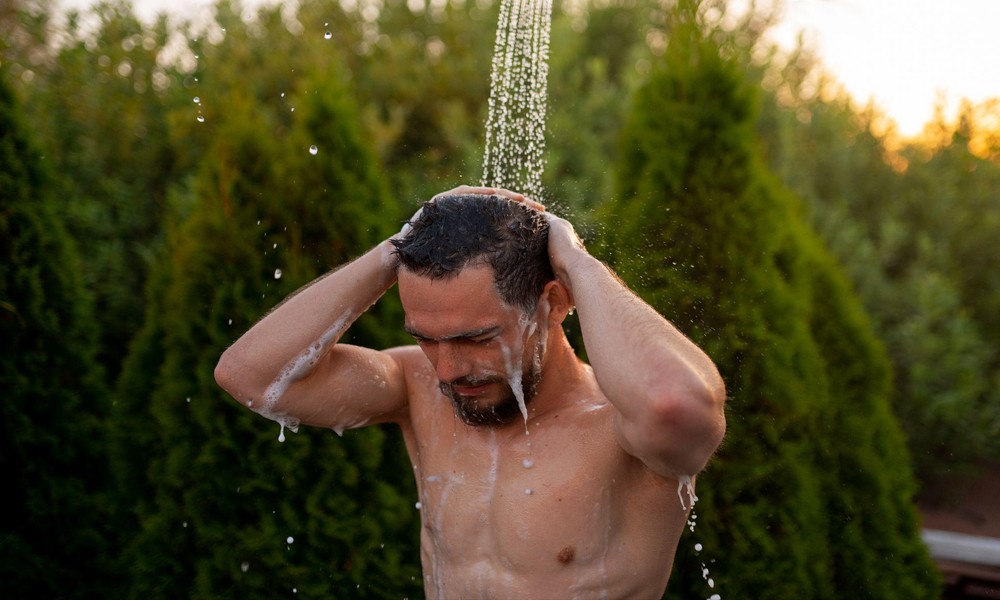
Several practical habits may reduce the impact of chlorine on the scalp. Rinsing the scalp with clean water before entering the pool may reduce chlorine absorption because the skin is already hydrated. Wearing swim caps can also reduce direct chemical exposure, although they may not fully block water contact.
Prompt rinsing and gentle cleansing after swimming may help remove chlorine residue before prolonged irritation develops. Applying moisturising scalp products after swimming may assist in restoring hydration levels, particularly for individuals with bald or highly sensitive scalps.
Meanwhile, for those undergoing a bald scalp treatment programme, consistent scalp protection may become especially important during periods of increased outdoor activity or frequent swimming. Preventive care often becomes more effective when maintained consistently rather than only after symptoms appear.
Conclusion
Swimming pools and chlorine exposure may contribute to dryness, irritation, and sensitivity affecting both hair-covered and bald scalps. Repeated exposure during warmer seasons can disrupt the scalp’s natural moisture barrier, particularly in individuals already prone to dryness or flaking. Bald scalps may experience stronger effects because of increased environmental exposure.
Managing these effects often involves a combination of protective habits, balanced cleansing routines, and appropriate scalp hydration. That said, for individuals experiencing persistent discomfort, structured approaches involving a treatment for dry scalp or a targeted bald scalp therapy plan may help improve long-term scalp condition.
Contact Bee Choo Origin to explore a more structured hair treatment today.
