


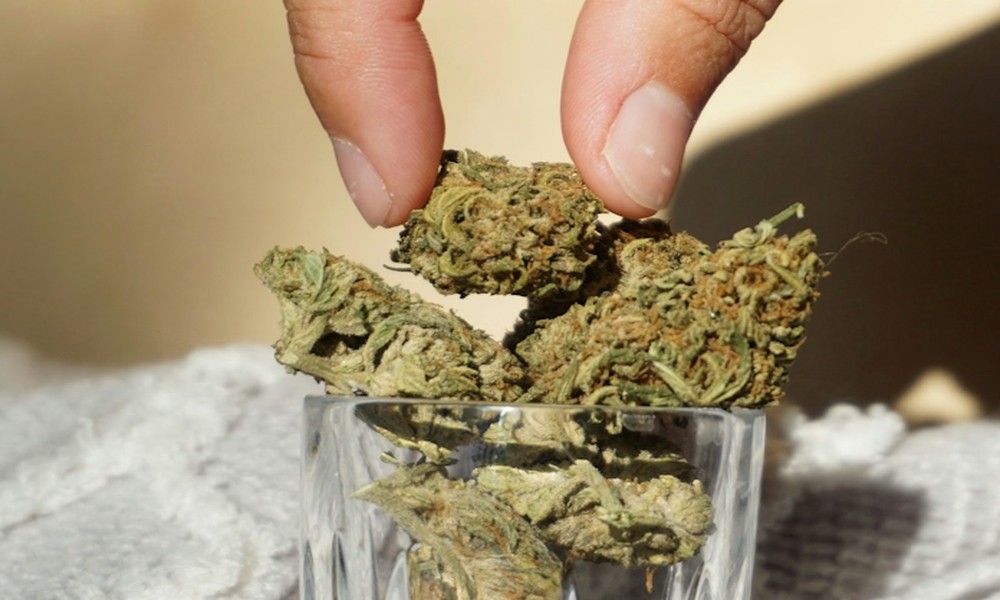
The indica versus sativa classification system is the most widely used framework for communicating expected cannabis effects in retail dispensary settings, yet the scientific literature has largely discredited the biological basis for these distinctions as predictors of consumer experience.
Genetic analysis of cannabis samples labeled as indica and sativa by multiple research teams has found no consistent genomic differentiation that corresponds to the classification. What are sold as distinct categories reflect horticultural lineage labels that evolved in the cannabis trade rather than a pharmacologically meaningful botanical taxonomy.
What the Research Shows About Indica and Sativa Effect Predictions
The most comprehensive consumer survey data on cannabis effects, including Project CBD’s large-scale data collection and the research of Dr. Ethan Russo and colleagues, consistently finds that terpene content and cannabinoid profile are more predictive of self-reported experiential effects than the indica or sativa label applied to the product.
High-myrcene strains tend to produce the sedative, body-focused effects typically associated with indica marketing, regardless of whether they are classified as indica or sativa. High-limonene, high-pinene strains tend to produce the energetic, cerebral effects associated with sativa marketing, again regardless of the retail label.
How Retailers Are Moving Toward Effect-Based Product Organization
Several forward-thinking Nevada dispensaries have moved away from strict indica and sativa categorization toward effect-based or terpene-focused product organization, allowing consumers to select products based on desired outcomes such as relaxation, creativity, or pain relief rather than potentially misleading botanical labels. When visiting a quality Nevada cannabis dispensary in Las Vegas, asking staff about terpene profiles and expected effect categories, rather than accepting indica and sativa as deterministic labels, produces more reliable product selection for specific intended purposes.
What Hybrid Products Mean in the Current Classification System
Nearly all modern cannabis strains are genetic hybrids of multiple lineages developed through decades of selective breeding. The hybrid label, which accounts for the majority of products in most Nevada dispensary inventories, honestly acknowledges this reality but provides little useful guidance for effect prediction without supplementary terpene and cannabinoid data.
How THC Percentage Became a Dominant but Flawed Quality Signal
As prohibition-era cannabis was replaced by tested and labeled products, THC percentage became a widely used quality proxy because it was the first standardized, verifiable data point available to consumers. However, research consistently finds that THC percentage alone is a poor predictor of consumer satisfaction or the intensity of subjective effect, particularly above the 15 to 18 percent range where ceiling effects begin to apply for many consumers.
The indica and sativa classification system is a useful shorthand but not a scientifically reliable predictor of cannabis effect. Consumers who develop understanding of terpene profiles, cannabinoid ratios, and the effect categories they reliably produce for their own physiology are better equipped to make consistent, satisfying product selections than those relying on botanical labels and THC percentage as their primary decision criteria.
